Commercial LPG Prices Slashed by up to ₹183.50 as Conflict Pressures Thaw; Massive Relief for India’s Food & Hospitality Sectors
By Business News Desk
Published: July 1, 2026 | 06:00 AM IST
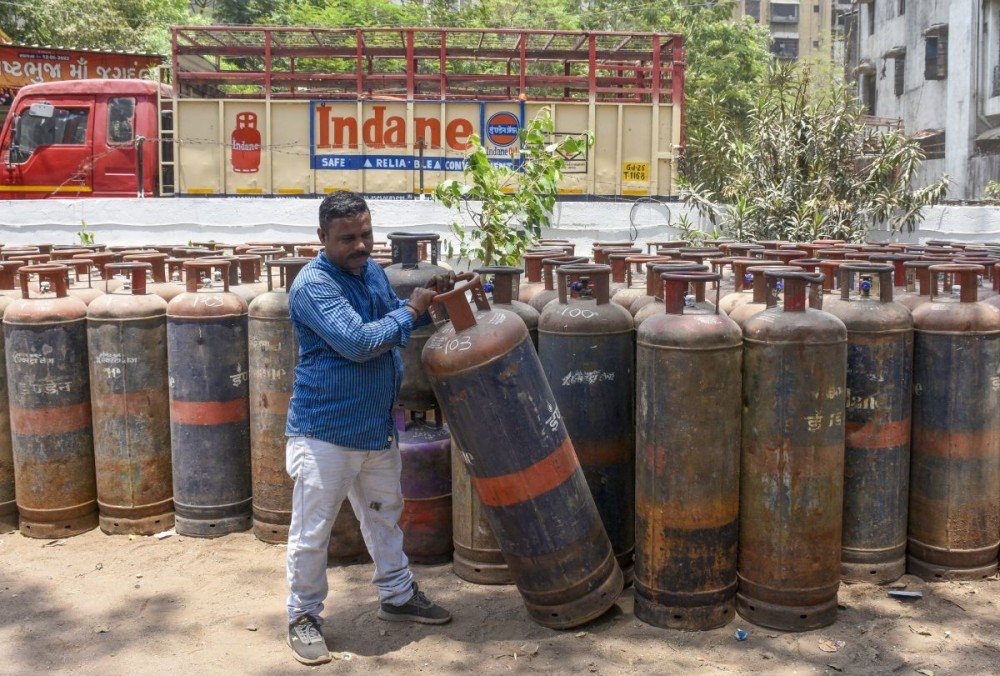
New Delhi: In a major turning point for India's commercial energy landscape, state-owned Oil Marketing Companies (OMCs) have announced a sharp reduction in the prices of commercial liquefied petroleum gas (LPG) cylinders.
Simultaneously, the price of the 5-kg Free Trade LPG (FTL) cylinder—heavily relied upon by micro-entrepreneurs and street food vendors—has been brought down by approximately ₹13 per cylinder.
This decision marks the very first time in 2026 that commercial LPG rates have experienced a downward revision, bringing an abrupt halt to a grueling six-month streak of aggressive price hikes.
The New Retail Grid: City-Wise Commercial LPG Rates
The price adjustment varies slightly from state to state due to localized Value Added Tax (VAT), structural freight costs, and logistical variations. According to the official price notification issued by Indian Oil Corporation Limited (IOCL) and detailed in a pricing brief by
| City | Old Price (June 2026) | New Price (July 1, 2026) | Net Reduction |
| New Delhi | ₹3,113.50 | ₹2,930.00 | ₹183.50 |
| Lucknow | ₹3,236.00 | ₹3,052.50 | ₹183.50 |
| Noida / NCR | ₹3,113.50 | ₹2,930.00 | ₹183.50 |
| Jaipur | ₹3,141.00 | ₹2,957.50 | ₹183.50 |
| Gurugram | ₹3,130.00 | ₹2,947.50 | ₹182.50 |
| Mumbai | ₹3,067.50 | ₹2,885.50 | ₹182.00 |
| Chandigarh | ₹3,136.00 | ₹2,954.50 | ₹181.50 |
| Thiruvananthapuram | ₹3,152.00 | ₹2,971.50 | ₹180.50 |
| Chennai | ₹3,283.00 | ₹3,106.00 | ₹177.00 |
| Bengaluru | ₹3,198.00 | ₹3,021.00 | ₹177.00 |
| Hyderabad | ₹3,367.00 | ₹3,191.00 | ₹176.00 |
| Bhubaneswar | ₹3,290.00 | ₹3,114.50 | ₹175.50 |
| Kolkata | ₹3,255.50 | ₹3,081.50 | ₹174.00 |
| Patna | ₹3,400.00 | ₹3,227.00 | ₹173.00 |
Micro-Commercial Relief: In the national capital, the popular 5-kg FTL cylinder will now retail at ₹808.50, down from its previous rate of ₹821.50, directly lowering operating expenses for small-scale tea stalls, roadside eateries, and fast-food kiosks.
Behind the Price Cut: Easing Geopolitical Pressures
The sudden correction in India's domestic gas pricing is intimately tied to a cooling global energy market.
Because India relies on foreign imports to satisfy roughly 90% of its total cooking gas consumption, any shockwave in the Middle East instantly reverberates through local distribution lines.
[West Asia Conflicts / Tanker Disruption] ──> [High Saudi Aramco CP] ──> [Rising Indian LPG Rates]
                                                                                │
[Peace Progress / Normal Strait Flows]    ──> [Brent Oil Drops to ~$73]  ──> [Price Cut: Avg -₹180]
Over the past three weeks, progress toward a more stable diplomatic accord has dramatically eased concerns regarding shipping blockades through the hyper-critical Strait of Hormuz—the maritime chokepoint through which the vast majority of India's LPG cargo travels. Consequently, international crude oil benchmarks saw a sharp downward correction, with Brent crude tumbling to trade comfortably around the $73-per-barrel mark.
As reported by
A Trajectory of Highs: The 2026 Commercial LPG Crunch
To fully appreciate the significance of this ₹183.50 price drop, one must examine the severe financial squeeze local businesses faced during the first half of 2026, which was documented by national news agency
January 2026: The year began on a painful note when commercial LPG cylinder prices were hiked by ₹111, while the 5-kg FTL cylinder was advanced by ₹27.
March 2026: Volatility peaked in global markets following intense disruptions in West Asian shipping corridors. OMCs responded with a sharp two-phase hike on commercial fuel, alongside a ₹60 hike on domestic cylinders to combat rising import costs.
April 2026: OMCs implemented another sweeping increase of ₹195.50 per commercial cylinder.
May 2026: In the absolute worst month of the crisis, prices surged by a staggering ₹993, sending the price of a single commercial cylinder in Delhi past the ₹3,000 threshold to settle at ₹3,071.50.
June 2026: A final residual hike of ₹42 was added, taking the Delhi commercial cylinder price to its historic peak of ₹3,113.50.
This relentless inflationary pressure heavily bruised the operational margins of restaurant owners, small caterers, and sweet shop owners.
Supply Quotas Restored to Pre-Crisis Levels
The price drop aligns directly with an aggressive supply-side intervention by the central government.
During the peak of the import constraints brought on by the maritime crisis, the government prioritized civilian households to prevent public discontent or dryouts at residential fuel dealers.
The Petroleum Ministry has since clarified that with domestic production improving and multiple delayed international cargo ships successfully offloading at Indian ports, the supply network has achieved 100% normalization, restoring commercial allocations to pre-crisis volumes.
Broad Energy Relief: Retail Fuel Joins the Downward Trend
The cooling of international energy pressures has started creating a ripple effect across other fuel formats in the country.
Nayara Energy slashed petrol prices by ₹5 per litre and diesel prices by ₹3 per litre across its network.