
India’s T20I Struggles: A Deep Dive into the Trent Bridge Collapse
The Indian cricket team’s recent tour of England has been a turbulent journey, characterized by a series of challenges that have tested the resolve of the reigning T20 World Cup champions. While expectations were high for the Men in Blue, the ongoing five-match T20 International series has been dominated by a clinical English side, leading to a profound shift in momentum for the visitors.
A Historic Low at Trent Bridge
The series reached a painful nadir during the third T20I at the iconic Trent Bridge Cricket Ground in Nottingham. After an opening washout at Chester-le-Street and a loss in the second match, India arrived at Trent Bridge hoping to revitalize their campaign. Instead, they witnessed one of the most lopsided performances in the history of the format.
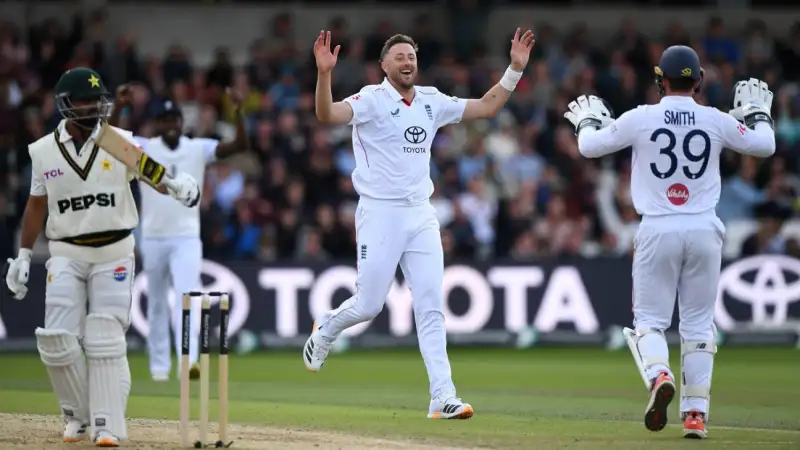
England, batting first, set a daunting target of 202 after Phil Salt’s aggressive 70 off 44 balls and Sam Curran’s unbeaten 41 propelled them to a total of 201/7. What followed was a total capitulation by the Indian batting lineup. Facing blistering pace from Jofra Archer and Josh Tongue, India’s top order crumbled in a matter of minutes. The visitors were bundled out for just 76 runs in 11.4 overs—their second-lowest total in T20I history, surpassing their previous low of 74 against Australia in 2008. This 125-run margin remains India's heaviest defeat by runs in the shortest format.
Tactical and Leadership Scrutiny
The series has proven to be a challenging initiation for captain Shreyas Iyer, who succeeded T20 World Cup-winning skipper Suryakumar Yadav in June 2026. Under Iyer’s leadership, the team has endured a winless streak, suffering a 2-0 series loss to Ireland before finding themselves in a 3-0 hole against England.
The tactical decisions during the Trent Bridge match, in particular, drew intense scrutiny. Critics pointed to the frequent shuffling of the bowling attack—such as removing Prince Yadav and Harshit Rana immediately after they took key wickets—as a factor that allowed England to regain control of the innings. Head coach Gautam Gambhir, however, defended the team’s "high-risk, high-reward" approach, suggesting that such collapses can occur when players are encouraged to express themselves freely.
The Path Forward
Despite the collective struggle, there have been individual glimmers of hope. Shreyas Iyer recently surpassed Suryakumar Yadav’s record for the most runs by an Indian in a bilateral T20I series in England, scoring an unbeaten 80 at Bristol in the fourth T20I. Yet, these individual accolades are overshadowed by the reality that India has lost the series.
As the tour concludes, the focus for the Indian squad is shifting toward salvaging pride in the final matches and addressing the technical vulnerabilities exposed by high-quality pace bowling. For England, the series has served as a masterclass in tactical discipline and clinical execution, positioning them strongly for the upcoming ODI portion of the tour. The Trent Bridge collapse will undoubtedly be remembered as a sobering moment for Indian cricket, serving as a reminder that even the world’s most formidable teams must constantly evolve to maintain their competitive edge.