Astronomers Discover "Black Hole Star," a New Cosmic Object in the Early Universe
Scientists using the James Webb Space Telescope have discovered a brand-new type of cosmic object called a "black hole star," which could explain how supermassive black holes formed so quickly after the Big Bang
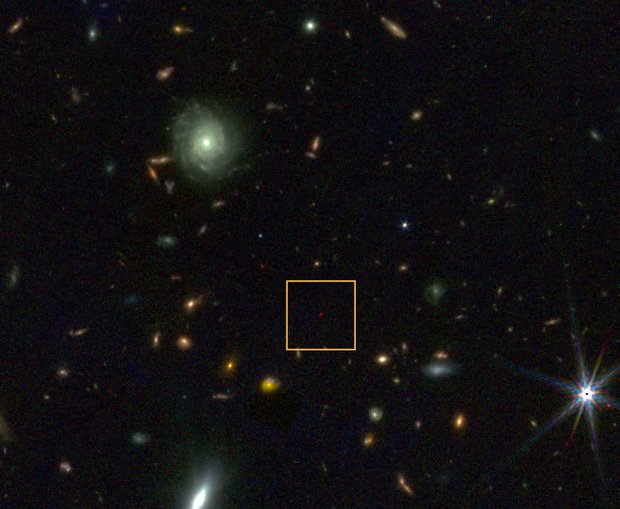
Recent observations from deep space have revealed a completely unusual object that looks like a giant star but produces energy like a black hole.Researchers using advanced space telescopes identified this bright red spot dating back to the early days of the universe.This object spans the size of our entire solar system yet shines with massive power that normal nuclear fusion cannot explain.Scientists believe it represents a brand-new category of astrophysical bodies.
The object was detected using the James Webb Space Telescope.
It dates back roughly 660 million years after the Big Bang.
Experts named the unique space object MoM-BH*-1.
It produces far more energy than any standard star in existence.
Finding this unique cosmic object opens new doors for understanding how galaxies and black holes grew during the universe's infancy. Astronomers plan to search for more of these hidden power sources in upcoming telescope data. Learning about these early formations will help researchers solve long-standing puzzles about the evolution of space.