
The Collapse of the Summer Ceasefire
Ceasefire Collapse: The mid-June peace agreement (the Islamabad Memorandum) has fallen apart following renewed attacks in the Persian Gulf.
Strait of Hormuz Crisis: New fighting erupted after Iran attempted to take absolute control of the critical Strait of Hormuz shipping corridor.
Massive U.S. Retaliation: The United States launched airstrikes hitting 90 military targets inside Iran to protect international shipping lines.
Backroom Diplomacy: Despite the active crossfire, neutral countries like Qatar and Oman are working to bring both sides back to negotiations.
Ceasefire Collapse: The mid-June peace agreement (the Islamabad Memorandum) has fallen apart following renewed attacks in the Persian Gulf.
Strait of Hormuz Crisis: New fighting erupted after Iran attempted to take absolute control of the critical Strait of Hormuz shipping corridor.
Massive U.S. Retaliation: The United States launched airstrikes hitting 90 military targets inside Iran to protect international shipping lines.
Backroom Diplomacy: Despite the active crossfire, neutral countries like Qatar and Oman are working to bring both sides back to negotiations.
The short-lived peace between the United States and Iran has officially broken down, giving way to a dangerous new wave of direct military violence. In mid-June 2026, both nations signed the Islamabad Memorandum of Understanding, a framework designed to halt the intense war that erupted earlier in the year. According to reports detailing the breakdown on
Sabotage in the Strait of Hormuz
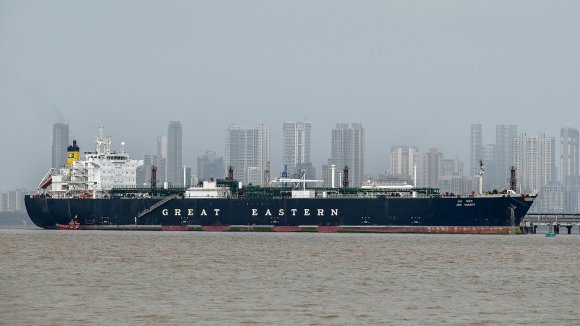
The primary trigger for the renewed fighting was a clash over control of the Strait of Hormuz, a narrow and vital sea route through which much of the world's oil is transported. Iran attempted to enforce strict new rules, mandating that international commercial vessels travel under Iranian oversight and pay transit fees. As covered in the live updates on
Heavy Retaliation and Aerial Attacks
The U.S. military responded immediately with severe force, launching massive airstrikes that targeted roughly 90 military installations inside Iran. According to tactical breakdowns from the
Aggressive Rhetoric vs. Quiet Diplomacy
Following the strikes, U.S. President Donald Trump announced that the ceasefire agreement was over, warning that the military is prepared to strike harder if provoked. However, as reported by