E-Paper |
| Sign In
Indus Time

DMK and AIADMK Boycotts Tamil Nadu CM Vijay’s All-Party Meeting on Delimitation

Major political parties in Tamil Nadu, including the DMK and AIADMK, skipped the all-party MPs' meeting convened by Chief Minister C. Joseph Vijay to discuss the Centre's proposed delimitation exercise.

2 min read min read 306 words
Aa
DMK and AIADMK Boycotts Tamil Nadu CM Vijay’s All-Party Meeting on Delimitation

Political Boycott and Delimitation Debate

A major political standoff occurred in Tamil Nadu when key opposition parties decided to stay away from a special consultative session called by the state administration. Chief Minister C. Joseph Vijay convened the meeting with state members of parliament to formulate a unified response against the potential redrawing of parliamentary boundaries. However, the state's major political factions criticized the move, arguing that the session lacked a formal agenda and was an attempt to divert public attention from urgent local matters.


  • The ruling DMK and opposition AIADMK jointly skipped the high-profile conference.

  • Out of 57 total state MPs, only 20 chose to participate in the discussions.

  • Leaders claimed the meeting was organized without an official draft bill from the central government.

  • Participating attendees primarily included members from the Congress party and regional allies.


Opposition Arguments and Core Concerns

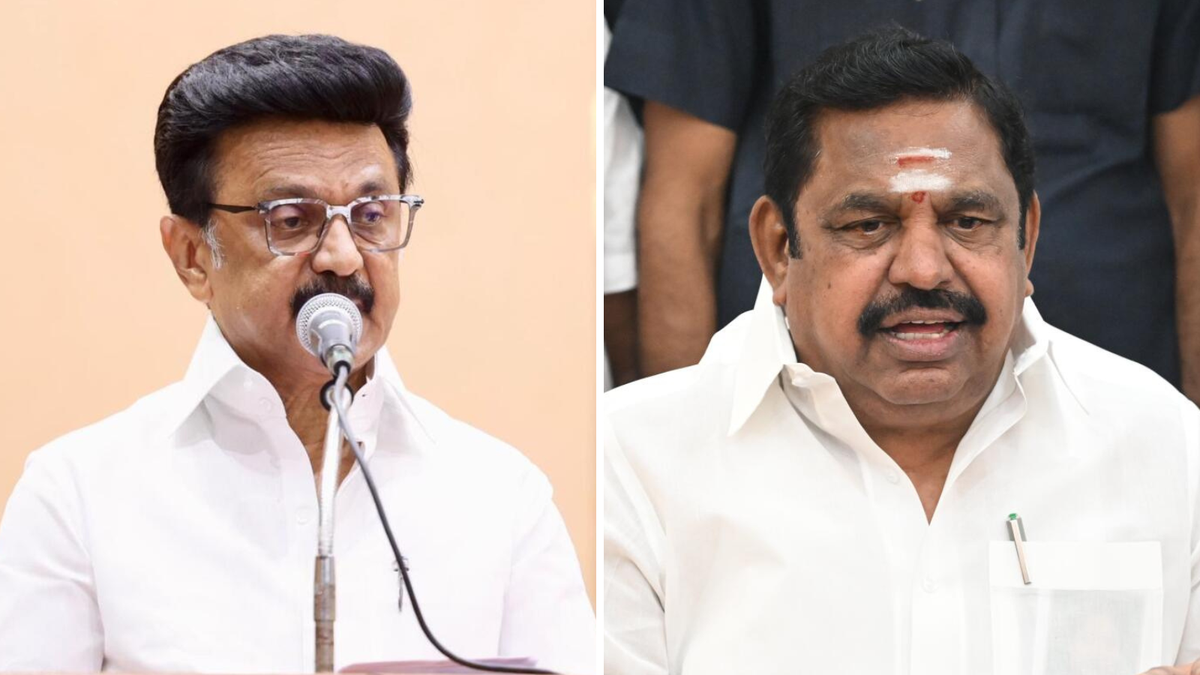
The decision by major parties to avoid the discussions highlighted deep political divisions within the state legislature. Opposition leaders noted that the DMK and AIADMK along with their allies boycotted the all-party MPs meeting convened by Tamil Nadu Chief Minister Vijay to discuss the impact of the proposed delimitation exercise. Senior figures stated that the meeting was unnecessary because there was no official information from the Union Government on introducing a Delimitation Amendment Bill in Parliament. Furthermore, critics argued that the session was a political drama aimed at diverting public attention away from pressing local challenges like the Cauvery water dispute.

Future Implications for State Policy

While the meeting proceeded with a smaller group of attendees consisting largely of ruling party supporters and friendly members, the wide boycott signals ongoing friction among regional political players. Lawmakers across party lines continue to monitor how constituency redistribution might affect southern representation in the national parliament. Maintaining a united front on federal rights remains a complex challenge for the state's political leadership.
Found this useful? Share it:

Comments

Leave a Comment

Be the first to share your thoughts.

Related Stories

More India →