
E-Paper |
| Sign In
Indus Time
India Breaking

India Launches Semicon Mission 2.0 with ₹1.27 Lakh Crore Outlay

Aiming for technological self-reliance, the Union Cabinet has cleared a massive ₹1.27 lakh crore package for the second phase of the India Semiconductor Mission, focusing on six strategic pillars to transform the nation into a global chip design and manufacturing hub.

Updated 12:39 PM 2 min read min read 371 words
Aa
India Launches Semicon Mission 2.0 with ₹1.27 Lakh Crore Outlay

Boost to India’s Semiconductor Mission: Cabinet Clears ₹1.27 Lakh Crore for Semicon 2.0

In a major strategic push toward technological sovereignty, the Union Cabinet, chaired by Prime Minister Narendra Modi, officially approved the second phase of the India Semiconductor Mission (ISM 2.0) on July 15, 2026. With a substantial financial outlay of ₹1.27 lakh crore, the government aims to build upon the foundation laid by the first phase and position India as a premier destination for global electronics production. Reporting on this development, The Hindu notes that this revamped program is designed to attract investments of approximately ₹4 lakh crore, significantly expanding India’s capabilities across the entire semiconductor value chain.

  • Six Strategic Pillars: Semicon 2.0 is built on a comprehensive framework covering chip design, advanced fabrication units (fabs), Assembly, Testing, Marking, and Packaging (ATMP), R&D, talent development, and the manufacturing of specialized equipment and raw materials.

  • Strengthening Supply Chains: Unlike the first phase, this new edition provides targeted incentives to suppliers of critical raw materials, including industrial gases and high-purity minerals, which are essential for sustainable chip production.

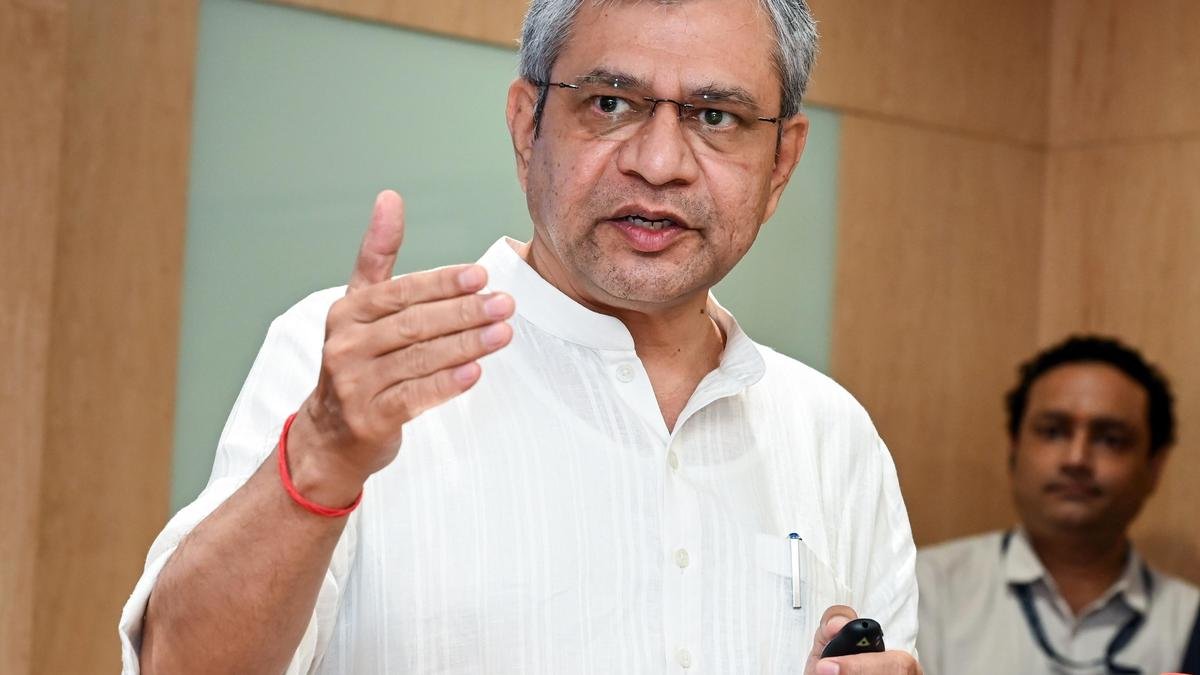
  • Focus on Indigenous Chips: Union IT Minister Ashwini Vaishnaw emphasized that a core objective is to design, develop, and manufacture indigenous chips, aiming for self-reliance in this critical sector by the end of the program’s tenure.

  • Job Creation & Industry Growth: As highlighted by YourStory, the mission is expected to catalyze a massive surge in the electronics sector, creating thousands of direct jobs and catering to the rising demand for chips in artificial intelligence (AI), electric vehicles, and telecommunications.

  • Momentum from Semicon 1.0: The government has already approved 12 manufacturing projects under the first phase with cumulative investments exceeding ₹1.64 lakh crore, setting a strong precedent for the rapid expansion envisioned in the second phase.

According to reports from India Today, the move comes at a critical time when global demand for advanced semiconductors—driven by AI applications and data center growth—has outpaced supply. By prioritizing deep-tech integration and scaling up workforce training through collaborations with over 300 universities, India is actively positioning itself as a resilient alternative in the global semiconductor landscape. This mission is part of a broader government push to secure industrial competitiveness, alongside new schemes for mobile phone manufacturing and infrastructure upgrades across the country.
Found this useful? Share it:

Comments

Leave a Comment

Be the first to share your thoughts.

Related Stories

More India →