Government Decisions on Recruitment Tests
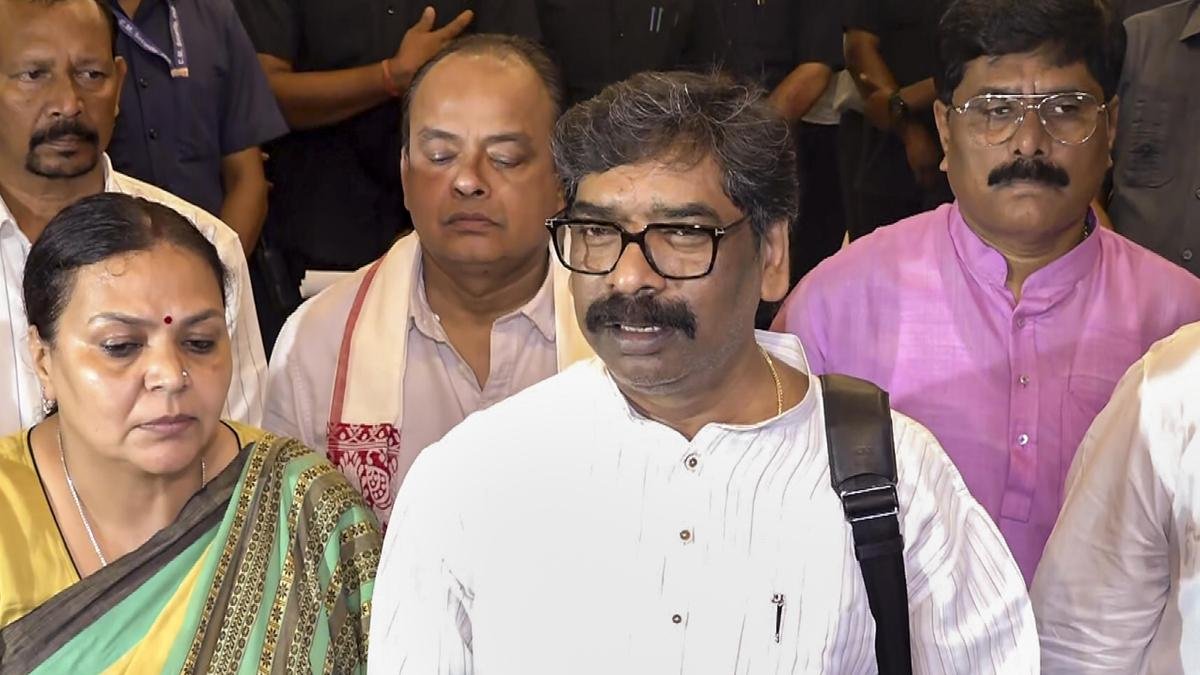
A major wave of student agitation in Jharkhand reached a turning point when state leaders announced the cancellation of several key competitive examinations. Following weeks of sit-ins and hunger strikes led by young job aspirants demanding transparency, the state cabinet convened an emergency meeting to address the crisis. Chief Minister Hemant Soren declared that the controversial Combined Graduate Level test would be scrapped alongside all recruitment processes handled by a specific private vendor since 2014.
The state cabinet officially cancelled the JSSC-CGL examination following 24 days of continuous demonstrations.
All past tests and published results linked to the private agency TDPL were completely voided.
A special high-level committee headed by senior IAS officer Amitabh Kaushal was formed to recommend major system reforms.
Prominent student leaders and hunger strike participants formally ended their fasts following the government announcement.
Background of the Agitation and Official Action
The intense student movement gained momentum over allegations of question paper leaks and widespread irregularities in public sector recruitment tests. News reports confirm that [the Jharkhand government cancelled the JSSC-CGL examination after a 24-day student protest in the state, alongside all other recruitment tests handled by the private agency TDPL](cite: 1.2.1). Updates from local media highlight that [while student leaders welcomed the cancellation and called off their hunger strikes, parts of the agitation continued as protestors pressed for a formal Central Bureau of Investigation probe](cite: 1.1.1, 1.2.1). Furthermore, official statements note that [the Crime Investigation Department has already arrested several individuals and initiated a comprehensive inquiry into examination irregularities dating back to 2014](cite: 1.1.3, 1.2.4).
Future Reforms and Outlook for Job Aspirants
While the immediate cancellation brings relief to thousands of candidates demanding fair play, state authorities face the ongoing challenge of rebuilding trust in public recruitment channels. The newly appointed reform committee is expected to introduce stricter standard operating procedures, transparent evaluation timelines, and robust security protocols to prevent future paper leaks and administrative failures.