Background of the Indus Waters Treaty Dispute
The Indus Waters Treaty is a historic water distribution agreement signed between India and Pakistan back in 1960 with the help of the World Bank. It controls how the waters of the Indus River system are shared between the two neighboring countries. For decades, this pact survived multiple political conflicts and wars. However, recent years have brought massive tension to this framework. India decided to put the treaty in abeyance following major security incidents, such as the tragic attack in Pahalgam. New Delhi maintains that the pact cannot function normally while cross-border terrorism continues, altering the foundation on which the original agreement was built.
Signed originally in 1960 with World Bank mediation.
Divided river rights between eastern and western river basins.
Suspended by India following security concerns and cross-border tensions.
Recent Statements by Prime Minister Shehbaz Sharif
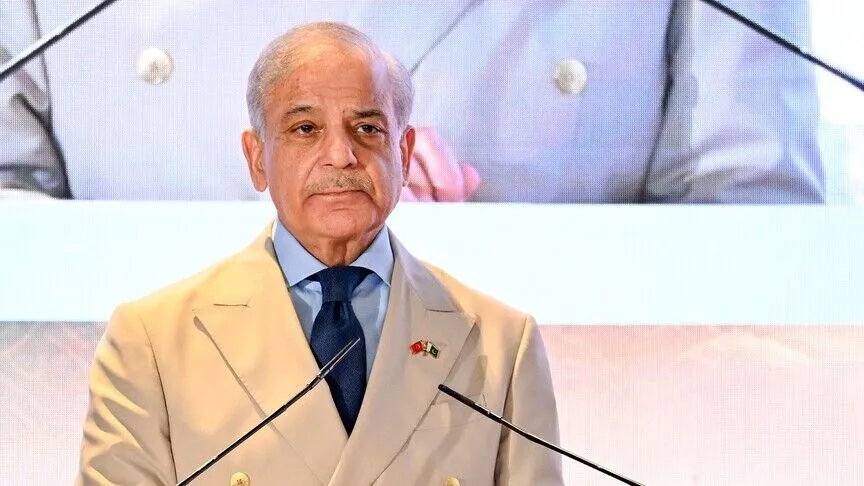
While addressing a major national event, Pakistan Prime Minister Shehbaz Sharif strongly criticized India for keeping the water treaty on hold. He stated that his government desires peace, but warned that Islamabad's peaceful approach should never be mistaken for weakness. According to reports from Punjab Newsline, Sharif labeled the suspension an illegal move. Further details covered by Anadolu Agency highlight his direct warning that any threat to disrupt Pakistan's water supply will face a strong response. Additional insights provided by India Today emphasize that the Pakistani leadership views this resource issue as an absolute security priority.
Sharif declared every drop of Indus water as a strict red line.
Islamabad maintains that the treaty cannot be unilaterally suspended.
Leaders have warned of a direct response if water flow is restricted.
Future Impact on Regional Stability
The ongoing standoff over the water-sharing agreement creates deep worries for agricultural stability and public livelihoods in the region. Pakistan heavily relies on the Indus river basin for its food production and farming needs. Because water supply directly feeds millions of people, any long-term disruption threatens severe economic and humanitarian consequences. Experts believe that both nations need diplomatic communication to resolve these deep differences. Without formal talks or international mediation, the hostile rhetoric threatens to increase border tensions and destabilize South Asia even further.