Key Legal Relief for Students
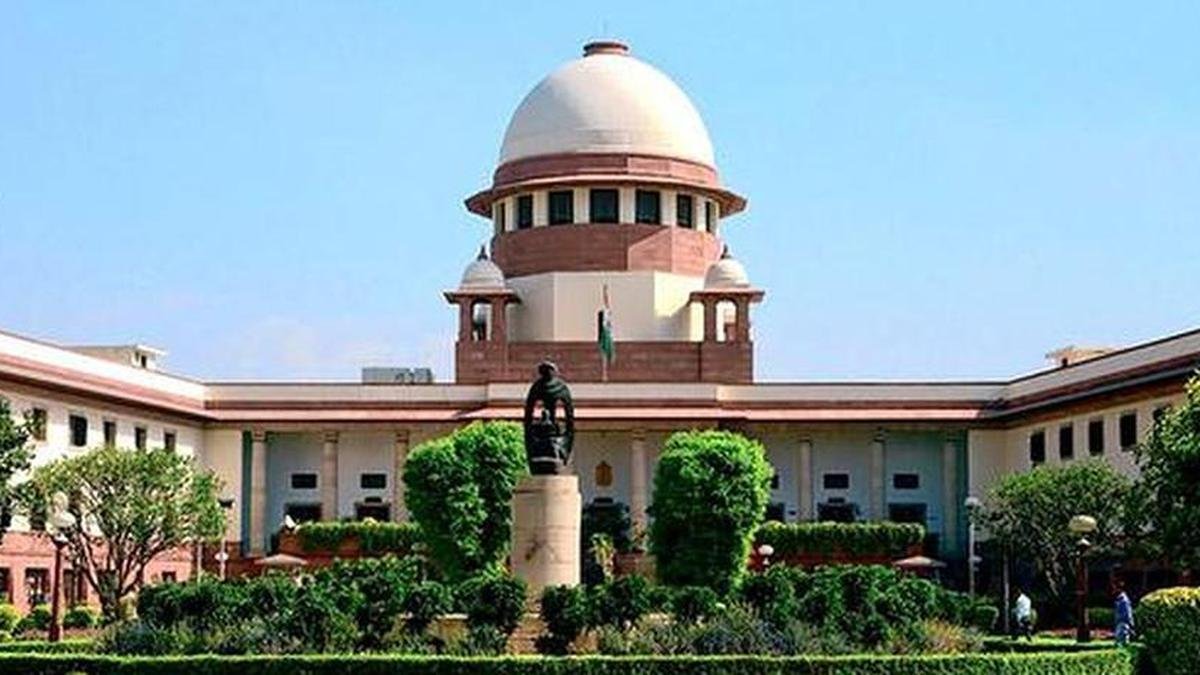
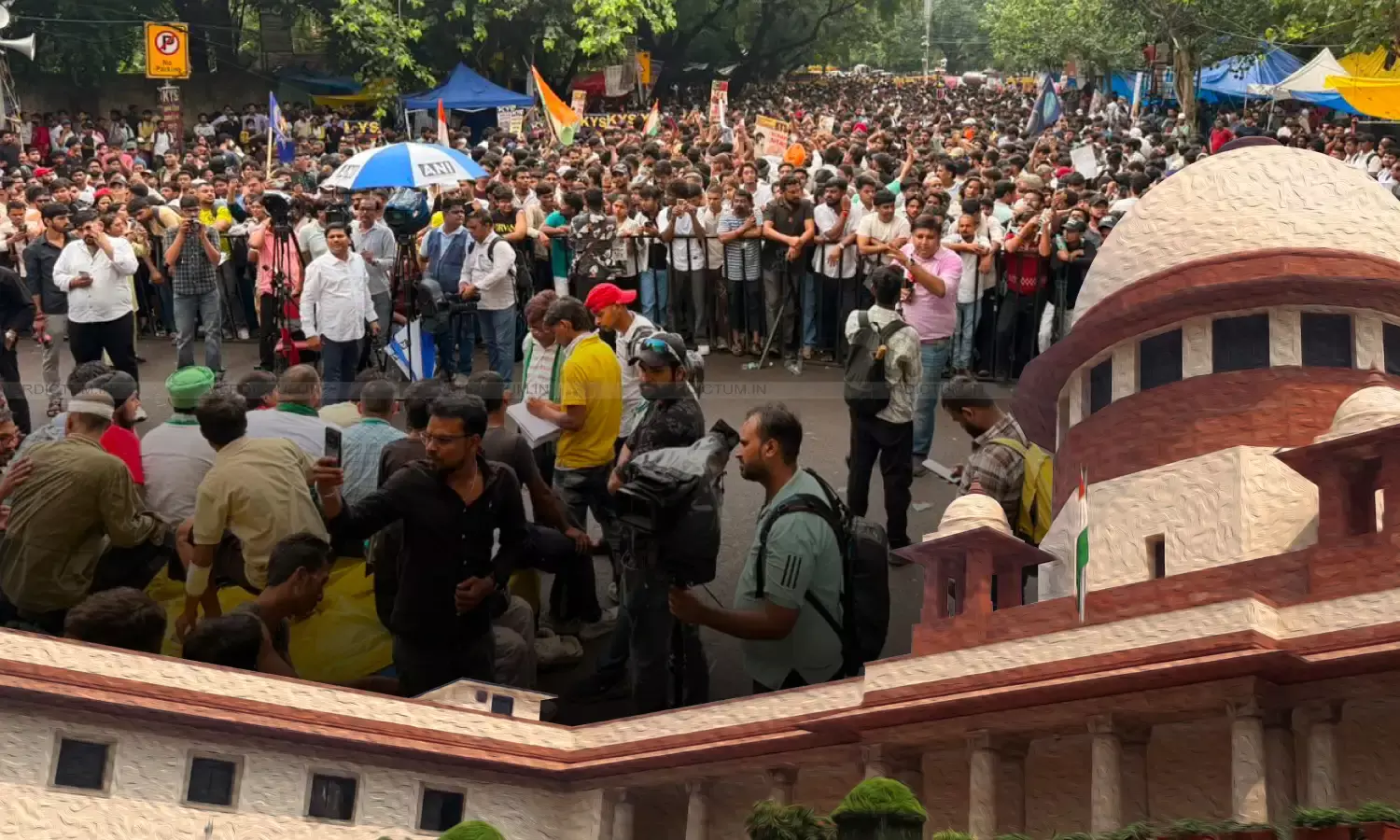
The Supreme Court recently addressed the legal challenges facing young participants of nationwide student demonstrations. A special bench made it clear that local governments possess full freedom to close or withdraw cases filed against individuals who took part in demonstrations over testing controversies. The ruling ensures that peaceful participants do not carry ongoing legal burdens that could harm their future careers.
The apex court noted that state administrations and Delhi authorities can drop charges following proper legal procedures.
Officials confirmed that protective measures apply directly to students lacking serious past records.
The bench stressed that peaceful assembly remains a protected right while separate probes handle isolated acts of violence.
Legal teams welcomed the step as a major relief for young candidates and their families.
Clarifying Criminal Antecedents and Cases
During the proceedings, a bench led by Chief Justice Surya Kant addressed confusion surrounding previous court directions regarding individuals with prior records. The judiciary explicitly specified that the phrase "criminal antecedents" must apply exclusively to grave and heinous offences, such as major felonies, rather than minor legal infractions connected to public gatherings. Solicitor General Tushar Mehta informed the court that the central government remains serious about clearing cases for eligible participants. Legal experts noted that
Moving Forward and Next Hearing
Authorities are currently reviewing active files to separate violent offenders from general student demonstrators. The court has scheduled the next comprehensive hearing to monitor compliance and address related petitions concerning exam administration safety. Both state and central agencies are directed to maintain transparency as administrative bodies process these case closures.