E-Paper |
| Sign In
Indus Time

The Long Road of the Russia-Ukraine Conflict: Casualties, Combat, and Stalled Talks

Years of intense fighting have redrawn the map of Europe, taking a massive toll on millions of lives while the world searches for a path toward peace.

Updated 6:55 PM 3 min read min read 535 words
Aa
The Long Road of the Russia-Ukraine Conflict: Casualties, Combat, and Stalled Talks

Major Realities of the Conflict

  • A Protracted Crisis: The fighting has now dragged on longer than World War I, causing massive destruction across the region.

  • Staggering Human Toll: Millions of citizens have been forced to leave their homes, creating a massive refugee crisis across Europe.

  • Shifting Security Alliances: The war has pushed neighboring countries to join new alliances, completely changing how Europe protects its borders.

  • Stalled Peace Negotiations: Even though both countries have met for multiple rounds of talks, a true agreement remains out of reach.

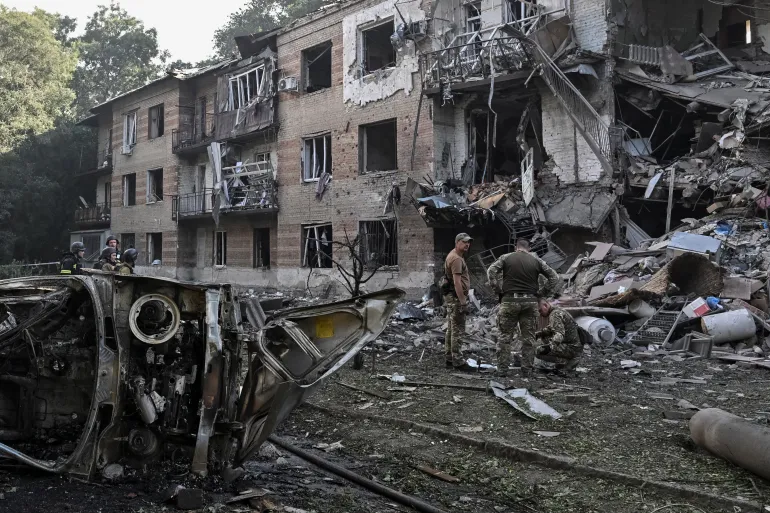
The ongoing conflict between Russia and Ukraine continues to shape global politics and cause massive destruction. Millions of people have been affected, with homes, schools, and energy networks destroyed by daily strikes. According to detailed military tracking from the Russia Matters War Report Card, Russian forces have continued to make small, steady territorial gains in eastern Ukraine. At the same time, Ukrainian forces have used long-range drone strikes to hit back at targets deep inside Russian territory to slow down their advances. This constant back-and-forth fighting means neither side is ready to give up, creating a long war of attrition that has lasted longer than many expected.

The human cost of this conflict is hard to truly measure, as both military personnel and regular citizens face daily dangers. The United Nations and global monitors have recorded tens of thousands of civilian deaths, while military losses on both sides have climbed into the hundreds of thousands. As noted in the comprehensive coverage by the Armed Conflict Location & Event Data Project, intense aerial campaigns have frequently targeted urban centers like Kyiv and other regional capitals, making life incredibly difficult for everyday people. This continuous violence has forced over ten million Ukrainians to flee their homes, causing a massive shift in population and placing a heavy burden on nearby European countries that are trying to help shelter refugees.

On the political stage, the war has completely changed how countries plan for their own safety and security. Fear of wider aggression has pushed nations like Finland and Sweden to join NATO, adding hundreds of miles of new borders between the alliance and Russia. To understand how these changes impact the global balance of power, the Council on Foreign Relations Global Analysis explains that while Western allies are working hard to send advanced defense systems to Ukraine, the risk of a larger international clash remains very high. These shifting alliances have made the divide between Russia and Western nations deeper than it has been in decades.

Finding a way to stop the fighting has proven to be incredibly complicated, despite multiple attempts by international leaders to help the two sides talk. Diplomats from the United States and other global powers have hosted high-level meetings in places like Abu Dhabi and Geneva to find a middle ground. As reported in the ongoing updates from The Guardian World News, the main disagreement is over land and safety guarantees, as neither nation wants to give up territory or accept terms they feel are unfair. Because the positions of both governments are so far apart, a permanent ceasefire remains elusive, and the world must continue to deal with the economic and humanitarian problems caused by this long conflict.
Found this useful? Share it:

Comments

Leave a Comment

Be the first to share your thoughts.

Related Stories

More World →