
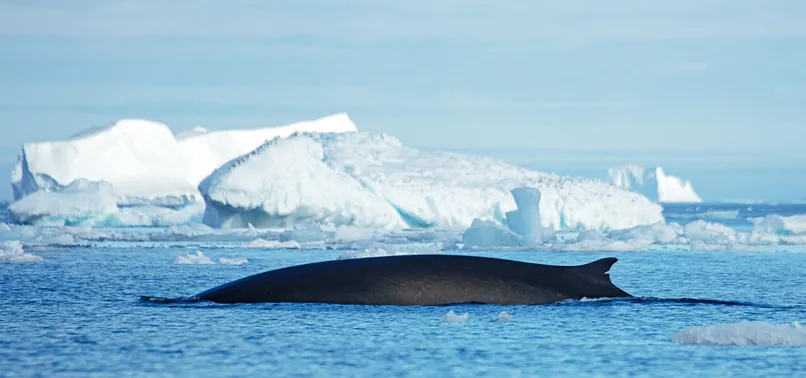
Marine Ecosystem Shift in Arctic Waters
Recent scientific research highlights a dramatic change in marine biodiversity along the coast of East Greenland as rising temperatures reshape local habitats. A comprehensive decade-long study published in scientific journals shows that massive baleen whales are now arriving by the thousands for seasonal feeding frenzies.
Researchers noted that humpback, minke, and fin whales are flocking to these newly opened seas every summer.
Ship and aerial surveys showed whale sightings surging from zero recorded sightings decades ago to thousands today.
Warmer waters have also drawn large schools of temperature-sensitive fish, providing an abundant food supply.
Scientists estimate that these visiting whales consume hundreds of thousands of tonnes of fish and krill each season.
Study Findings and Scientific Observations
The rapid expansion of whale populations into northern regions has caught the attention of marine biologists tracking ecosystem adaptations. Detailed reports from
Environmental Impact and Future Outlook
While adaptable whale species thrive in the newly opened waters, environmental experts note that native Arctic marine life faces growing pressure and habitat sharing challenges. Researchers continue to monitor these changes closely to understand how shifting climate patterns will shape northern ecosystems in the years ahead.