
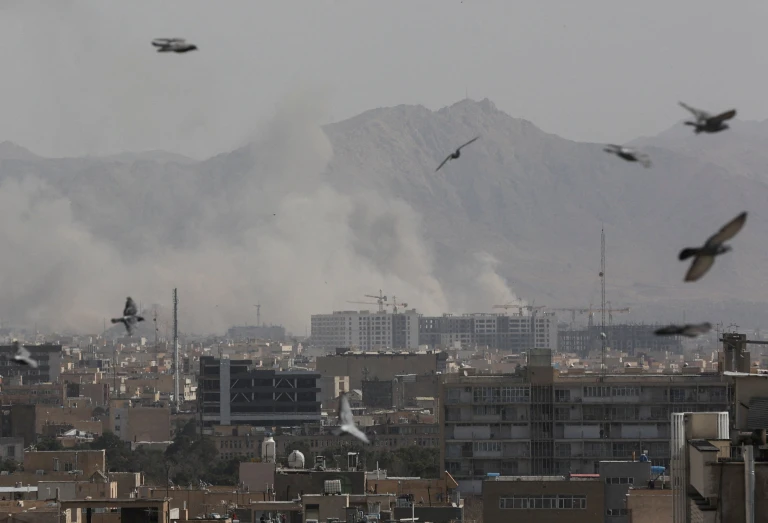
Strategic Friction and Regional Security
The complex diplomatic and security relationship between Washington and Tehran remains a major focal point for international observers and global policymakers. Ongoing disagreements concerning nuclear policies, regional influence, and maritime transit routes have kept diplomatic channels strained.
Diplomatic talks have faced repeated hurdles due to core disagreements over regional security protocols.
Strategic waterways in the Middle East remain subject to heightened naval vigilance and monitoring.
Global energy markets react sensitively to any shifts in political stability between the two nations.
International organizations continue to urge restraint and renewed dialogue to achieve a lasting resolution.
Diplomatic Efforts and International Reactions
Global powers and neighboring states continue to pursue diplomatic solutions to de-escalate tensions and restore regional normalcy. Recent updates highlight that [diplomatic channels remain active despite repeated setbacks, with international mediators working to establish sustainable security frameworks]. Analysts point out that [economic pressures and security concerns continue to shape the strategic calculations of both Washington and Tehran]. Furthermore, international bodies emphasize that [maintaining open communication channels is crucial for preventing misunderstandings in volatile trade corridors].
Outlook and Global Economic Impact
The broader fallout from the diplomatic impasse extends across global supply chains, affecting shipping schedules, commodity prices, and investor confidence. While short-term lulls occasionally offer windows for dialogue, achieving a comprehensive and durable agreement remains a complex challenge for international diplomats.