
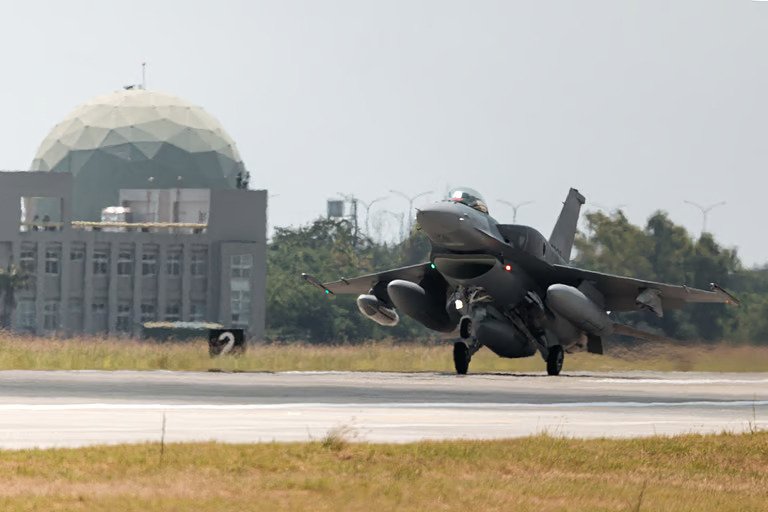
Arrival of Advanced Fighter Jets Boosts Security
Taiwan has officially taken delivery of its first two advanced Lockheed Martin F-16V Block 70 fighter jets, marking a major milestone in ongoing bilateral defense cooperation with the United States. The newly arrived warplanes touched down at Chihhang Air Base in Taitung County, part of a landmark $8 billion procurement deal designed to upgrade the island's aging air fleet and counter rising regional coercion.
The initial delivery includes two advanced F-16V jets equipped with cutting-edge radar and electronic warfare systems.
These modern aircraft feature conformal fuel tanks to extend operational range and loiter time during missions.
The jets will be stationed at the eastern Chihhang Air Base to reinforce vital defensive positions.
The overall defense agreement encompasses a total of 66 newly built fighter aircraft scheduled for gradual delivery.
Detailed reports published by
Strategic Impact and Future Defense Readiness
As these high-tech jets integrate into active units, the focus shifts toward comprehensive pilot training and infrastructure maintenance. Strengthening ground-based support and rapid response networks will ensure long-term stability for the region.