
Current Status of the Conflict
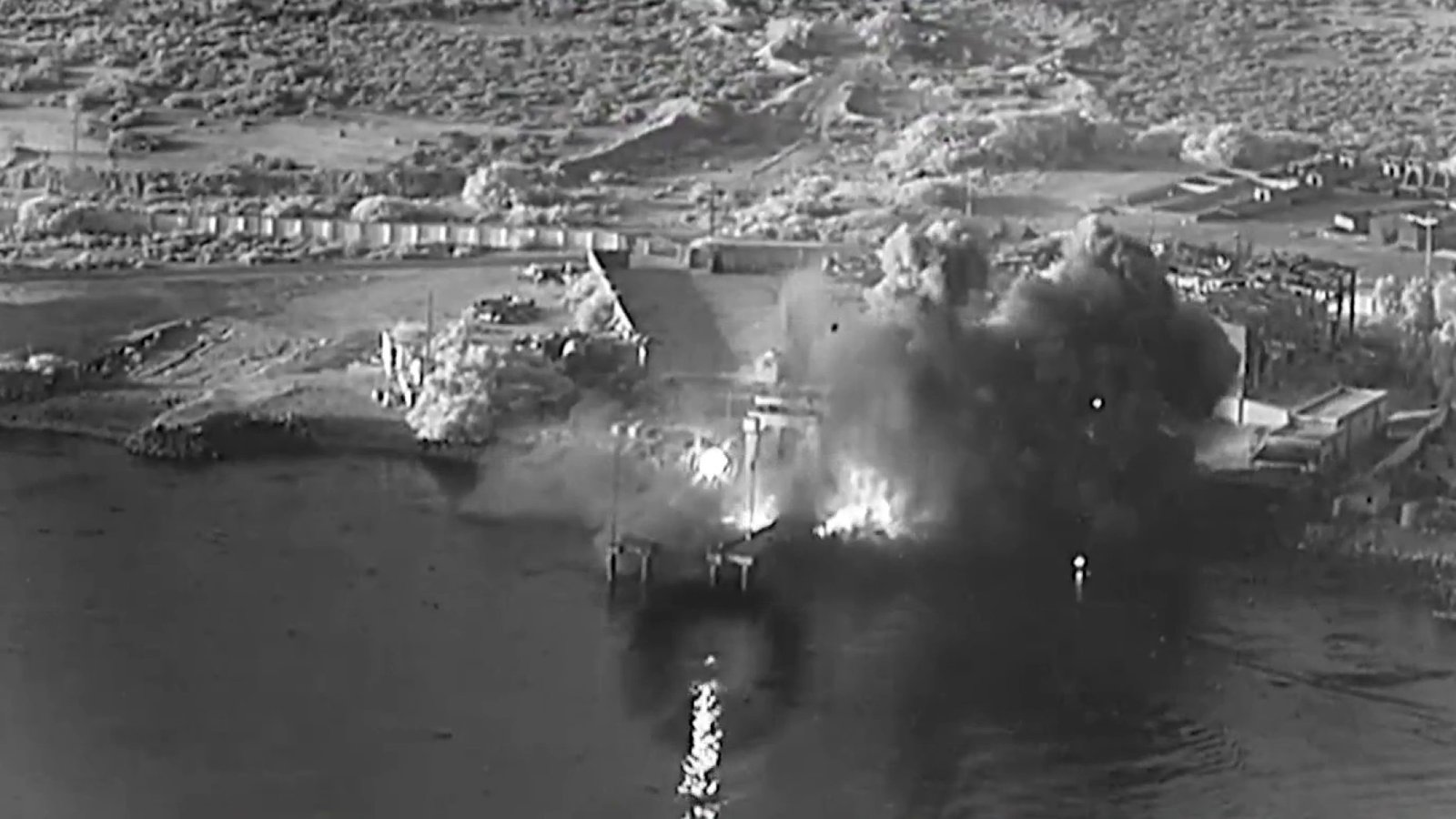
As of July 15, 2026, the military confrontation between Washington and Tehran has rapidly expanded, characterized by systematic U.S. air operations and widespread Iranian counter-strikes. The U.S. military has engaged in a multi-day wave of precision strikes aimed at degrading Iranian missile capabilities, naval infrastructure, and coastal defense systems. In response, Iran has ramped up its offensive posture, launching missiles targeting military airbases in Jordan and reporting significant damage to U.S. logistical centers in the Gulf Arab states.
Casualty and Damage Reports: A staggering 260+ individuals were wounded in recent U.S. overnight strikes, with Iranian military sources confirming at least seven personnel killed in a specific attack on a base in Bampur.
Strait of Hormuz Disruption: Hostilities have effectively paralyzed transit through the Strait of Hormuz, with reports of attacks on commercial vessels like the MT Al Bahiyah and MT Mombasa, resulting in Indian national casualties and intensifying global energy market anxieties.
Expansion of Targets: Recent U.S. operations have hit critical infrastructure including port facilities in Bushehr—the site of Iran’s nuclear plant—as well as bridges, fuel depots, and various manufacturing facilities across multiple provinces.
Regional Retaliation: Tehran’s Islamic Revolutionary Guard Corps (IRGC) has claimed responsibility for coordinated missile and drone strikes against U.S. military communications and support facilities in Kuwait, Bahrain, and Jordan.
Diplomatic and Economic Fallout: The U.S. Treasury has responded by expanding sanctions on Iran’s oil and cryptocurrency sectors, freezing $130 million in linked digital assets, while President Trump has signaled that further strikes remain on the table to ensure the freedom of navigation.