
Two UAE Tankers Hit by Iranian Missiles; One Indian Crew Member Dead
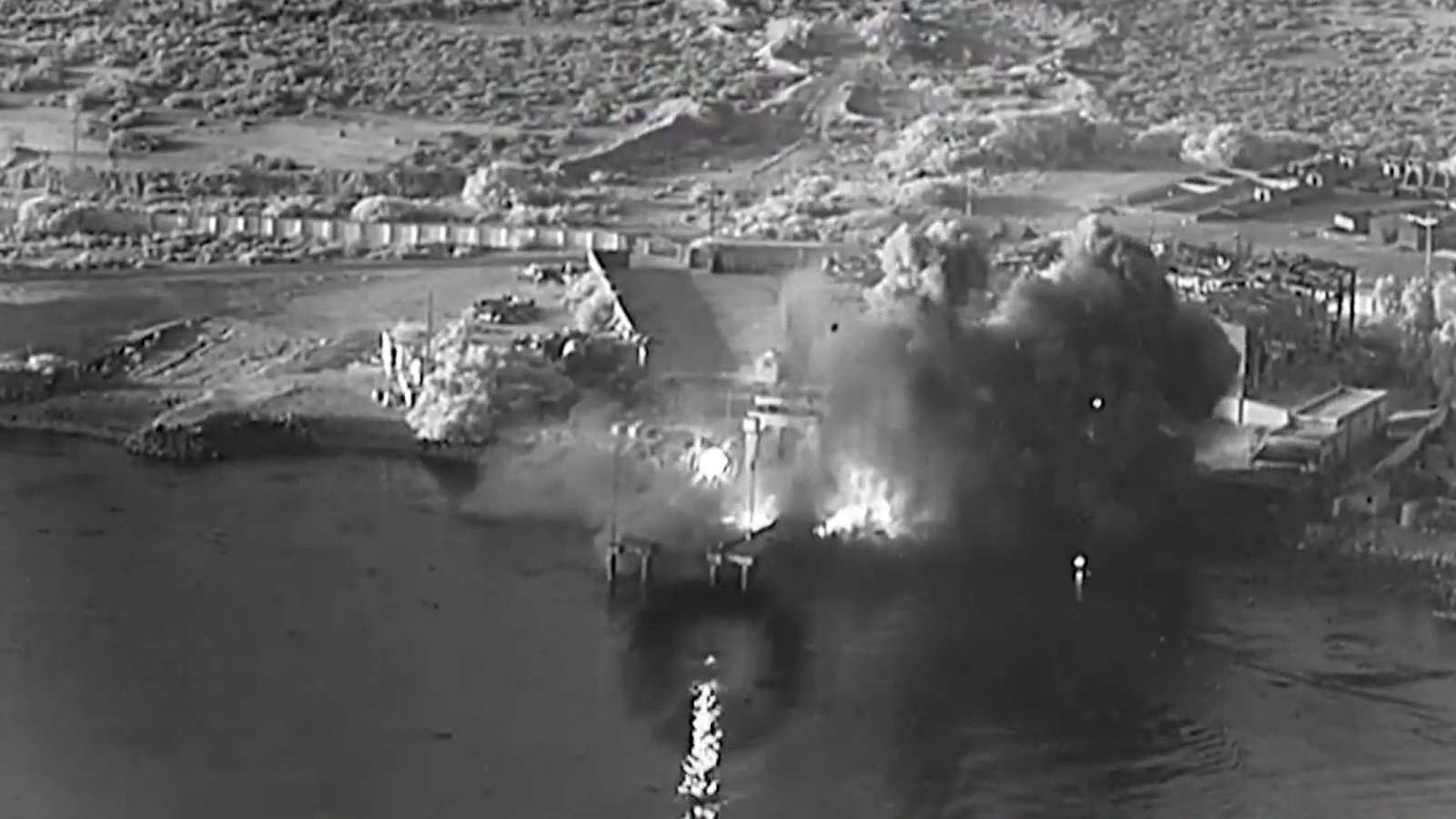
The maritime security landscape in the Strait of Hormuz has suffered a catastrophic blow following a targeted attack on July 14, 2026. Two UAE-flagged oil tankers, MT Al Bahiyah and MT Mombasa, were struck by Iranian cruise missiles while transiting the narrow and globally critical waterway. The incident has resulted in the tragic death of one Indian seafarer and left several other crew members injured, marking a severe escalation in regional tensions.
The Incident Unfolds
Initial reports indicate that the vessels were navigating international shipping lanes when they were engaged by missile fire originating from Iranian coastal batteries. The suddenness of the strike left the crews with little time to react. Emergency distress signals were broadcast immediately, prompting regional naval forces to scramble assets for search and rescue operations.
Maritime safety experts suggest that the precise nature of the cruise missile deployment indicates a sophisticated targeting capability, raising questions about the future of commercial transit through the Strait. Both MT Al Bahiyah and MT Mombasa sustained significant structural damage, although authorities confirmed that environmental catastrophe—such as a major oil spill—has thus far been averted.
Loss of Life and Human Impact
The most somber consequence of the attack is the loss of life among the merchant mariners. The Indian seafarer killed in the strike was performing duties on deck at the time of the impact. Several other crew members, including both Indian and international nationals, were transported to regional hospitals with injuries ranging from shrapnel wounds to blast trauma.
Ship owners have expressed their deepest condolences to the families of the victims, emphasizing that these men were civilian workers caught in the crossfire of geopolitical brinkmanship. Maritime unions have responded with outrage, calling for immediate international guarantees for the safety of crews transiting the Persian Gulf.
Geopolitical Implications
This incident represents a significant departure from previous forms of maritime harassment in the region. By utilizing cruise missiles against commercial tankers, the attackers have effectively challenged the freedom of navigation—a cornerstone of international maritime law.
Governments worldwide are scrambling to assess the threat level to commercial shipping. The Strait of Hormuz handles a massive percentage of the world’s seaborne oil, and any prolonged instability in the area will almost certainly lead to volatility in global energy markets, increased insurance premiums for shipping companies, and potential rerouting of essential supply chains.
As international investigators begin to collect evidence from the damaged hulls of MT Al Bahiyah and MT Mombasa, the focus remains on diplomatic de-escalation. However, the tragic death of a seafarer has transformed this from a mere trade dispute into a humanitarian crisis, ensuring that the pressure for accountability will be immense in the coming days.