- Landmark Court Ruling in Damascus
A Syrian criminal court has delivered a historic legal verdict against the nation's former leadership, marking a major milestone in post-regime accountability. The court handed down death sentences to several top figures of the previous administration for severe human rights abuses during years of internal conflict. Because the primary defendants live outside the country, the rulings were issued in absentia while legal teams work to secure their extradition.
The Fourth Criminal Court in Damascus delivered the death sentences during a live broadcast.
Charges include crimes against humanity, war crimes, murder, and torture.
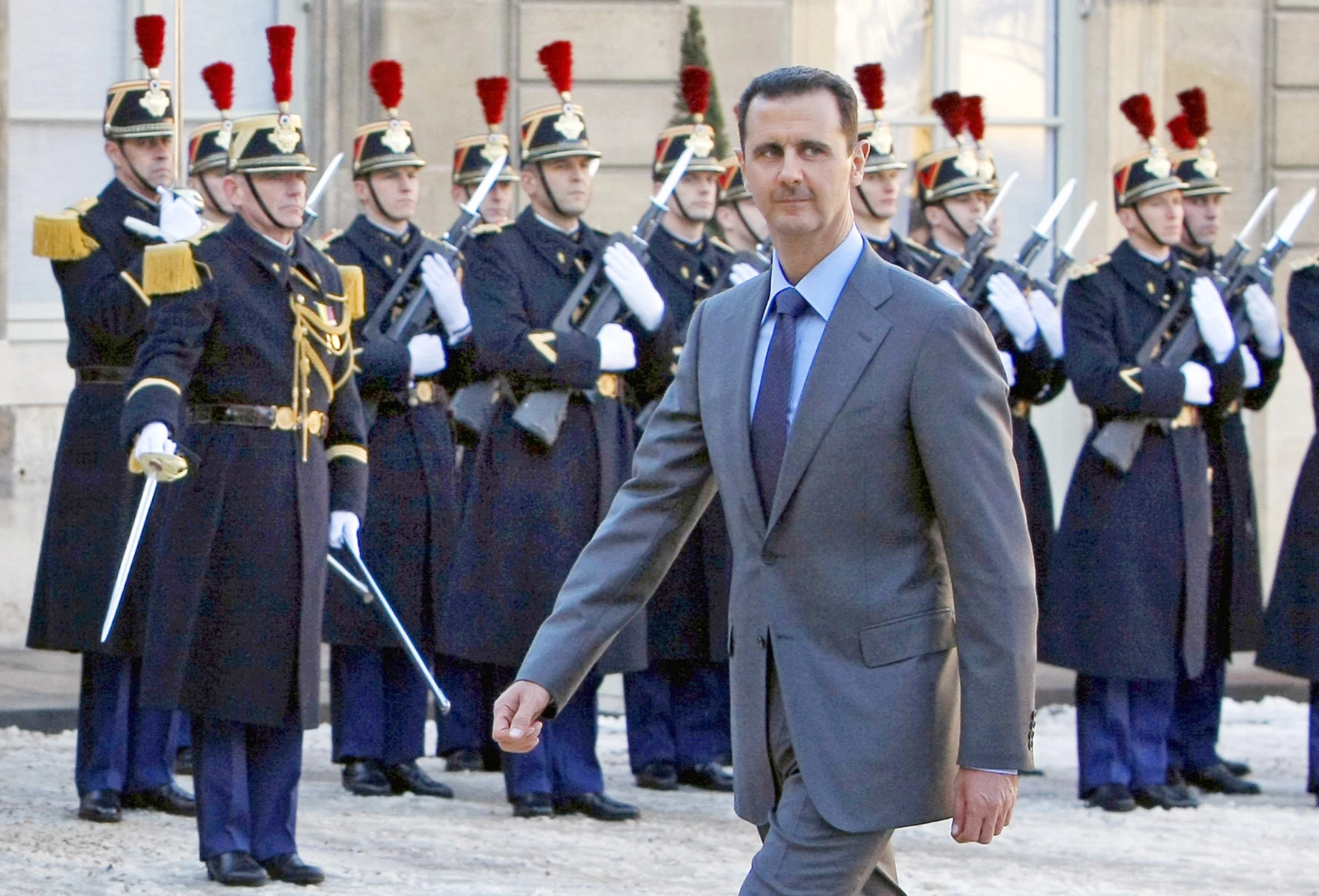
Former President Bashar al-Assad and his brother Maher were convicted while residing abroad.
Cousin Atef Najib appeared in court inside a prisoner's cage and received the same sentence.
Background of the Charges and Trials
Legal proceedings focused heavily on the events that triggered the prolonged national conflict starting in 2011. Reports confirm that [a Syrian court sentenced ousted Syrian President Bashar Assad along with his younger brother to death in absentia for crimes against humanity and war crimes during Syria's 14-year conflict](cite: 1.1.1). Court officials noted that [Bashar Assad used state agencies to commit widespread atrocities, leading to the deaths of thousands of civilians and severe public suffering](cite: 1.1.1). Furthermore, investigators emphasized that [former security officials like Atef Najib oversaw brutal crackdowns in regions like Daraa, which served as the primary catalyst for the civil war](cite: 1.1.1).
International Reactions and Future Steps
The high-profile verdict has drawn widespread global attention as transitional authorities push for formal accountability and justice. While victims and families praised the court's decision as a necessary step for healing, human rights organizations continue to debate legal procedures surrounding trials conducted in absentia. Transitional leaders maintain that bringing perpetrators to justice remains vital for establishing long-term peace and rebuilding the nation's judicial framework.