E-Paper |
| Sign In
Indus Time

The Reality of the US-Iran Escalation: What It Means for the World

Military strikes and fights over shipping lanes have broken a fragile peace, driving up oil prices and keeping the world on edge.

Updated 5:28 PM 2 min read min read 311 words
Aa
The Reality of the US-Iran Escalation: What It Means for the World

Key Points of the Recent Friction

  • The Breakdown of the Peace Deal: A temporary peace deal signed in June quickly fell apart after new disagreements arose.

  • Battles Over Shipping Lanes: Recent clashes centered on the Strait of Hormuz, a vital path where much of the world's oil travels.

  • The Impact on Global Energy: Fears of a larger war have disrupted shipping and pushed oil and fuel prices higher across the globe.

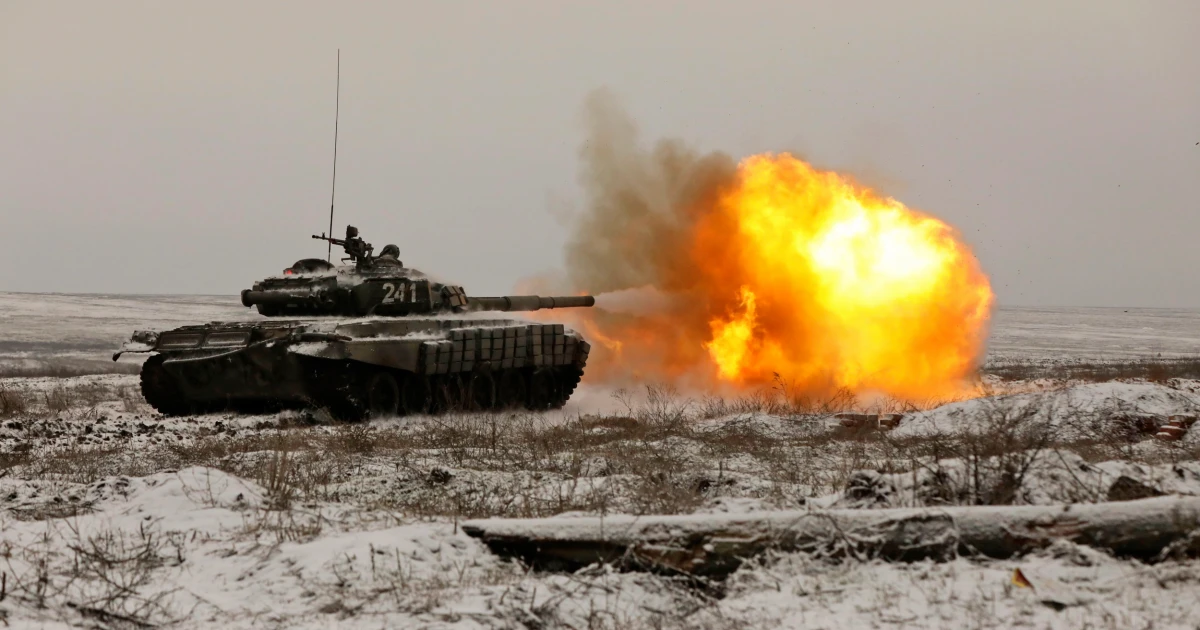
The tense relationship between the United States and Iran has taken a dangerous turn after a brief period of hope. Earlier this year, heavy military strikes altered the region, leading to a temporary ceasefire and a formal agreement signed by both nations. However, this fragile peace did not last long. According to updates on the Council on Foreign Relations Global Conflict Tracker, the truce collapsed after new attacks broke out, leading the U.S. to bring back its naval blockade. This rapid shift from talks to trade fire shows how easily old deep-rooted distrust can destroy diplomatic efforts.

The current fights are largely happening over the Strait of Hormuz, a narrow and critical waterway for international trade. Iran has tried to enforce strict rules and collect fees from commercial ships traveling through the area. In response, the U.S. and its partners have launched counter-strikes to keep the waters open for all nations. This back-and-forth fighting has put regular sailors at risk, halted multi-billion dollar shipping operations, and caused immediate ripples through global financial markets.

World leaders are watching the situation with growing worry and are urging both sides to stop the violence. The United Nations has called for an immediate return to talks, warning that a full-scale war would have terrible results for ordinary people and the world economy. For now, the region remains trapped in a dangerous cycle where one small mistake could spark a much larger international crisis.

Found this useful? Share it:

Comments

Leave a Comment

Be the first to share your thoughts.

Related Stories

More World →