The Struggle for Peace: Inside the Israel-Gaza Ceasefire Negotiations
International mediators are working to save a fragile ceasefire plan, but ongoing military raids and disagreements over control keep a true peace out of reach.
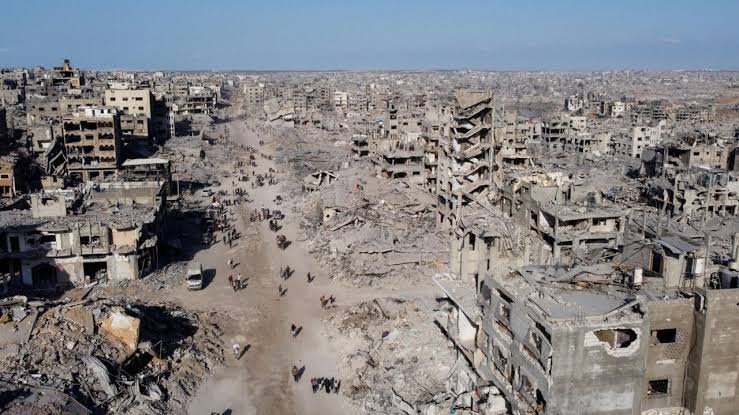
The international community is trying to guide the Middle East toward stability through a multi-phase peace framework. However, keeping the current ceasefire alive has proven to be incredibly difficult as daily incidents break the calm. Mediators are working to address the core demands of both sides while millions of people continue to suffer from the lack of basic resources.
Violations on the Ground:Despite an official agreement to stop major fighting, regular air strikes and military raids continue to claim lives.
The Disarmament Debate: Leaders remain heavily divided on whether the complete removal of weapons should happen before or after political safety promises.
Changes in Local Governance: Local political shifts have taken place to make room for a new group of administrators, but physical access to the territory is blocked.
A Growing Humanitarian Need:Food and medical shortages remain high as supply backlogs slow down the arrival of vital global aid packs.
The long-running conflict has entered a tricky phase where a formal peace agreement exists on paper, but actual peace remains hard to find on the ground. Global leaders have pinned their hopes on a structured plan managed by international representatives. According to the comprehensive Council on Foreign Relations Gaza Guide, the peace plan moved into its second phase after a successful trade of remains and hostages early this year. However, moving forward with rebuilding and establishing long-term safety has stalled because the deep anger and distrust between both governments make it hard to enforce any rules.
The daily reality for citizens remains dangerous because the official truce has failed to fully stop local violence.As reported in the detailed coverage by Al-Monitor Original Reporting, recent air strikes have hit residential buildings in central Gaza, causing deaths and injuring small children. Military forces often state they are targeting specific group leaders, but international watchdogs warn that these continuous raids push the death toll higher and make regular neighborhoods completely unsafe. This cycle of violence makes it harder for peace talks to succeed, as each new strike brings a new round of anger and complaints.
Another major issue is determining who will actually manage the area day-to-day and keep the peace. In an attempt to ease political tension, the local government announced it would step aside to let an independent group of experts take over.As explained in the analysis by the Arab Center Washington DC Report, these new technocrats have been blocked from entering the territory due to military objections.Furthermore, disagreements over whether group disarmament should be the first step or the final result of the transition have created a political wall that negotiators cannot seem to climb over.
While these political arguments continue in distant meeting rooms, regular families are facing an extreme shortage of basic necessities. According to field updates from the UN OCHA Humanitarian Situation Report, scanning delays at transit ports have slowed down the delivery of standard food parcels. Local kitchens are working around the clock to provide hundreds of thousands of meals daily, but their supplies are running low. International groups warn that without a solid political agreement to open borders fully and protect aid workers, a true humanitarian recovery cannot truly begin.